
The stone wall rust is the backbone of nearly every base in Rust. It’s cheap enough to spam on day one, strong enough to make satchel raiders think twice, and it has one famous weakness that has cost more players their loot than any other building mistake in the game. That weakness is the soft side, and we’re going to cover it properly.
This guide has everything: exact stone wall cost and upkeep, hard side raid costs for C4, rockets, satchels and explo ammo, how the soft side actually works, how stone compares to every other wall tier, and a section on the high external stone wall for your compound.
Stone Wall Basics
Stone is the second upgrade tier, sitting above wood and below sheet metal. It’s where most bases live for the first few days of a wipe because the math is just right. Stone is everywhere, the upgrade is instant with a hammer, and 500 HP means casual raiders with a couple of satchels can’t get in.
Fire won’t hurt it, which already beats wood. Bullets barely scratch it. The only real threats are explosives on the hard side and tools on the soft side. One of those costs the raider thousands of sulfur. The other one costs them a pickaxe. Guess which one you get to control as the builder.
Stone Wall Cost and Upkeep
 300 Stone
 Hammer Upgrade
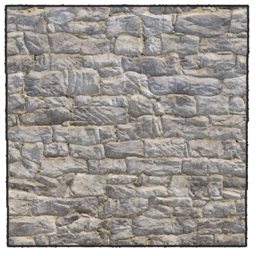 1 Stone Wall (500 HP)
| Stat | Value |
|---|---|
| Health | 500 HP |
| Upgrade cost | 300 stone per wall |
| Daily upkeep | Roughly 30 to 99 stone per wall, scaling with base size |
| Decay with no upkeep | About 5 hours from full health |
| Fire damage | Immune |
Stone Wall Soft Side: The Weakness Everyone Learns the Hard Way
Every building block in Rust has a hard side and a soft side. On a rust stone wall the difference is massive. Melee tools deal 10 times more damage to the soft side than the hard side. A raider with a few pickaxes can silently dig through a soft sided stone wall without spending a single point of sulfur.
Here’s what that looks like in practice, going off roughly 500 HP and standard tool durability:
| Tool | Soft Side Hits | Tools Needed |
|---|---|---|
 Jackhammer Fastest Jackhammer Fastest |
Automatic | 2 to 3 |
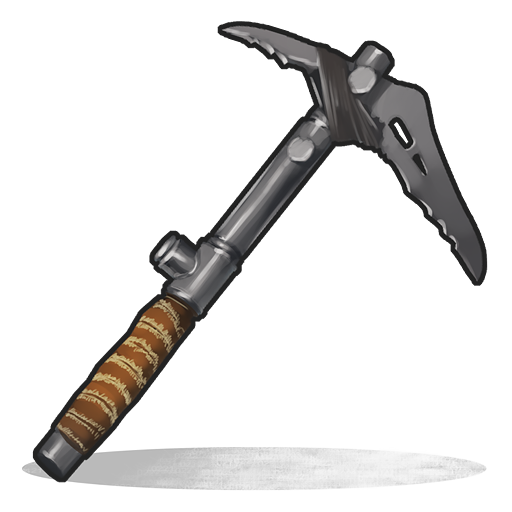 Salvaged Icepick Salvaged Icepick |
~385 | ~6 |
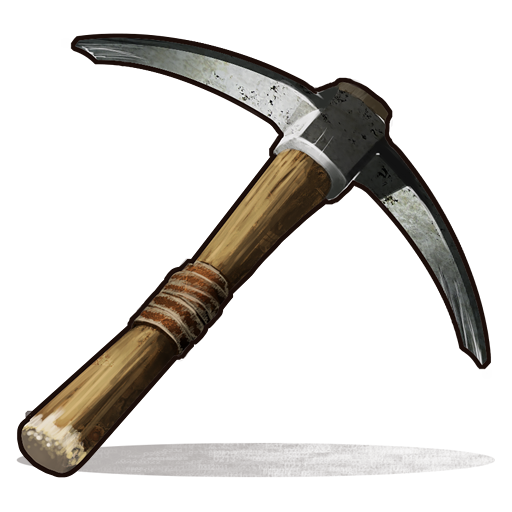 Pickaxe Pickaxe |
~417 | ~8 |
How to tell the sides apart: the hard side looks like fitted stone blocks with deep seams. The soft side looks smoother and more pebbly. When you place a wall, the soft side faces you, so the habit to build is simple. Stand inside the base when you wall up, and double check with a hammer. You get a short window after placing to rotate a wall for free, so fix mistakes immediately.
Stone Wall Rust Raid Cost: C4, Rockets, Satchels and Explo Ammo
These are the hard side numbers, which is what you’ll deal with on any properly built base. Sulfur math included so you can compare at a glance.
| Explosive | Amount | Sulfur Cost |
|---|---|---|
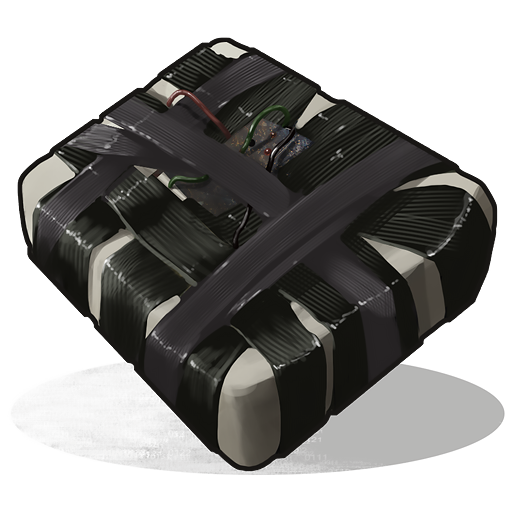 C4 (Timed Explosive) Cheapest C4 (Timed Explosive) Cheapest |
2 | ~4,400 |
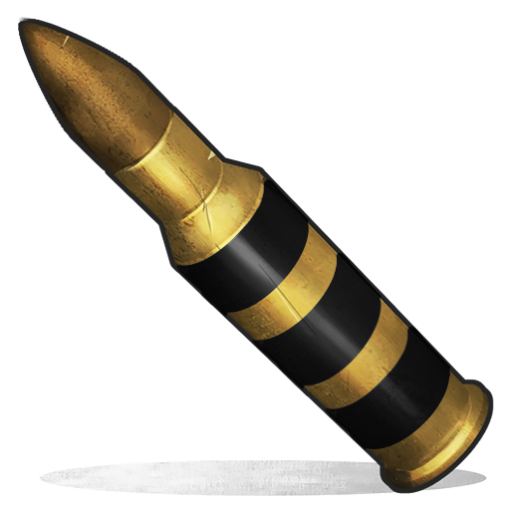 Explosive 5.56 Ammo Explosive 5.56 Ammo |
185 | ~4,625 |
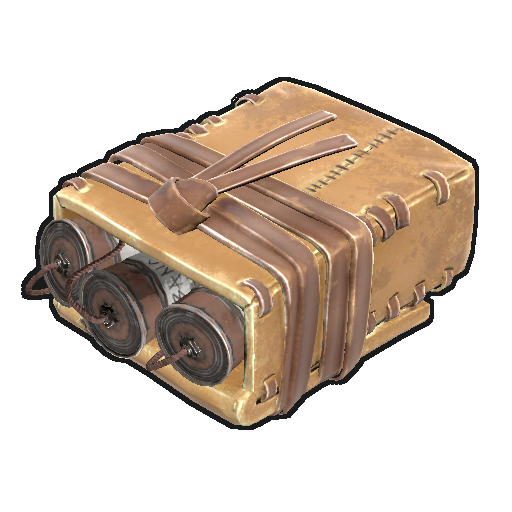 Satchel Charges Satchel Charges |
10 | ~4,800 |
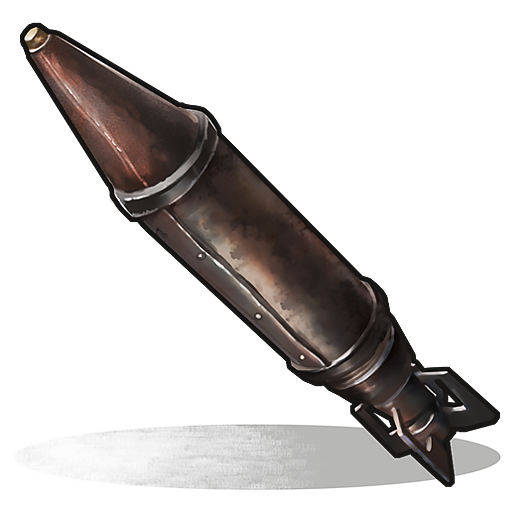 Rockets Rockets |
4 | ~5,600 |
Notice the order flips compared to doors. Against a stone wall, C4 is actually the cheapest sulfur option, while rockets are the most expensive. Rockets earn their keep through splash damage, one rocket can hit multiple walls at once, so raiders still bring them for big jobs. For a single wall though, C4 wins the math.
Stone Wall vs Every Other Wall Tier
| Tier | HP | Upgrade Cost | Satchels | C4 |
|---|---|---|---|---|
| Twig | 10 | 50 wood | 0 (one swing) | 0 |
| Wood | 250 | 200 wood | 3 | 1 |
| Stone Wipe Workhorse | 500 | 300 stone | 10 | 2 |
| Sheet Metal | 1,000 | 200 metal frags | 23 | 4 |
| Armored | 2,000 | 25 HQM | 46 | 8 |
The pattern is the same one you see with doors. Each tier roughly doubles the HP, and the raid cost scales with it. Stone earns its spot because stone nodes are everywhere and a jackhammer fills your inventory in minutes. Wood burns and gets eaten cheap. Sheet metal is the endgame standard for exterior walls once frags stop being precious. Armored is for your loot core, not your perimeter, unless you’re a zerg with sulfur to burn.
High External Stone Wall: The Compound Classic
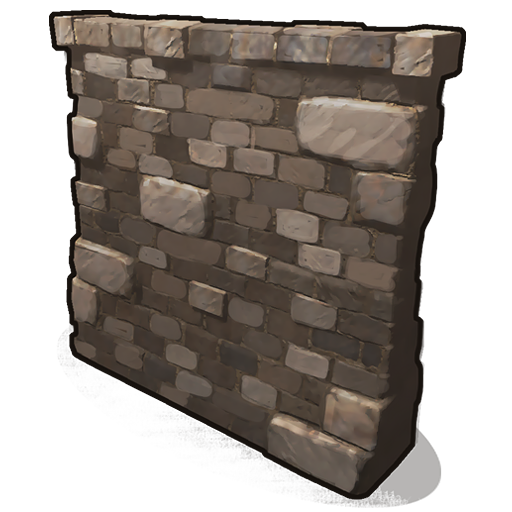
Different item, same family. The high external stone wall is the big deployable wall you ring a compound with, and people searching for stone wall stats usually want this one too. Current 2026 numbers:
| Stat | Value |
|---|---|
| Health | 500 HP |
| Crafting | Batch of 3 walls for 4,000 stone + 1 sheet metal |
| Workbench | Level 2 (research: 120 scrap at a research table, or unlock it on the Workbench 2 tech tree) |
| Raid cost | 2 C4, 4 rockets, or 185 explosive ammo per wall |
| Decay | Decays fast outside tool cupboard range |
Quick Tips for Stone Walls
- Upgrade out of twig immediately. Twig is 10 HP. A rock breaks it. Nothing you own is safe behind twig.
- Soft side in, every single time. Worth repeating because half the “how was I raided for free” stories end with this mistake.
- Stone the perimeter, metal the core. Standard progression: stone everywhere early, then upgrade your loot room and key walls to sheet metal as frags come in.
- Honeycomb with stone. Empty stone squares around your core multiply the raid cost for cheap. Raiders price bases in sulfur, so make yours expensive.
- Feed the tool cupboard. Five hours of decay is all it takes for an unfed stone wall to fall down on its own.
Planning your next base? Time it right. Check the live countdown to the next force wipe and get your stone up before the rush.
Force Wipe CountdownStone Wall FAQ
How many satchels does a stone wall take in Rust?
How many C4 for a stone wall?
How many rockets does a stone wall take?
How much explosive ammo for a stone wall?
Can you break a stone wall without explosives?
Which side of a stone wall is the soft side?
Does a stone wall decay?
Final Thoughts
Stone is where Rust bases actually live. Wood is a speed bump, metal is a luxury, and stone is the tier that decides whether your first few nights end with loot or a fresh spawn on the beach. Learn the raid numbers, respect the soft side rule, and keep the cupboard fed.
Do those three things and the average raider will take one look at your wall, do the sulfur math, and go bother your neighbor instead. That’s the dream.